Minimising energy use and waste during manufacturing
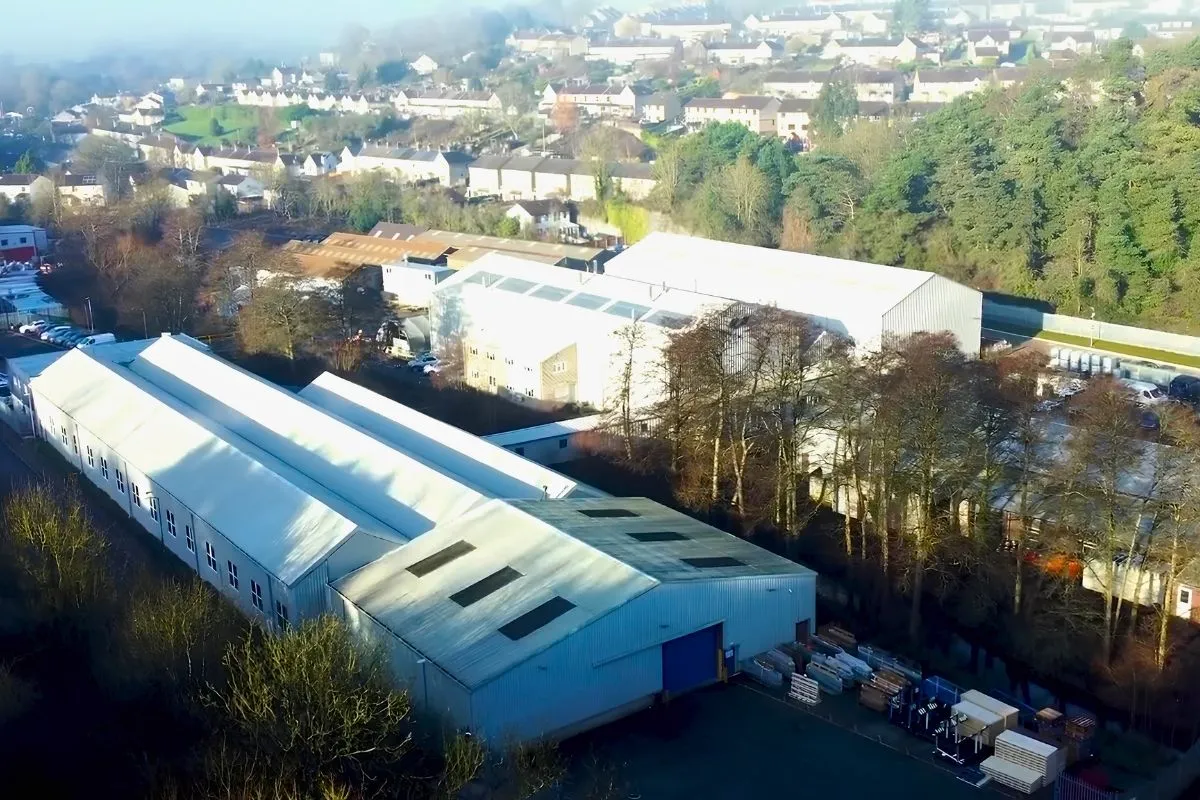
Manufacturing systems require energy, materials and carefully controlled processes. At our Radstock facility, these impacts are managed through Optima’s ISO 14001-certified Environmental Management System, which provides a structured approach to monitoring performance, controlling environmental risks and identifying opportunities for improvement.
Our focus is to reduce demand first, improve the efficiency of the processes we operate and recover material wherever waste cannot be prevented.
Understanding where energy is used
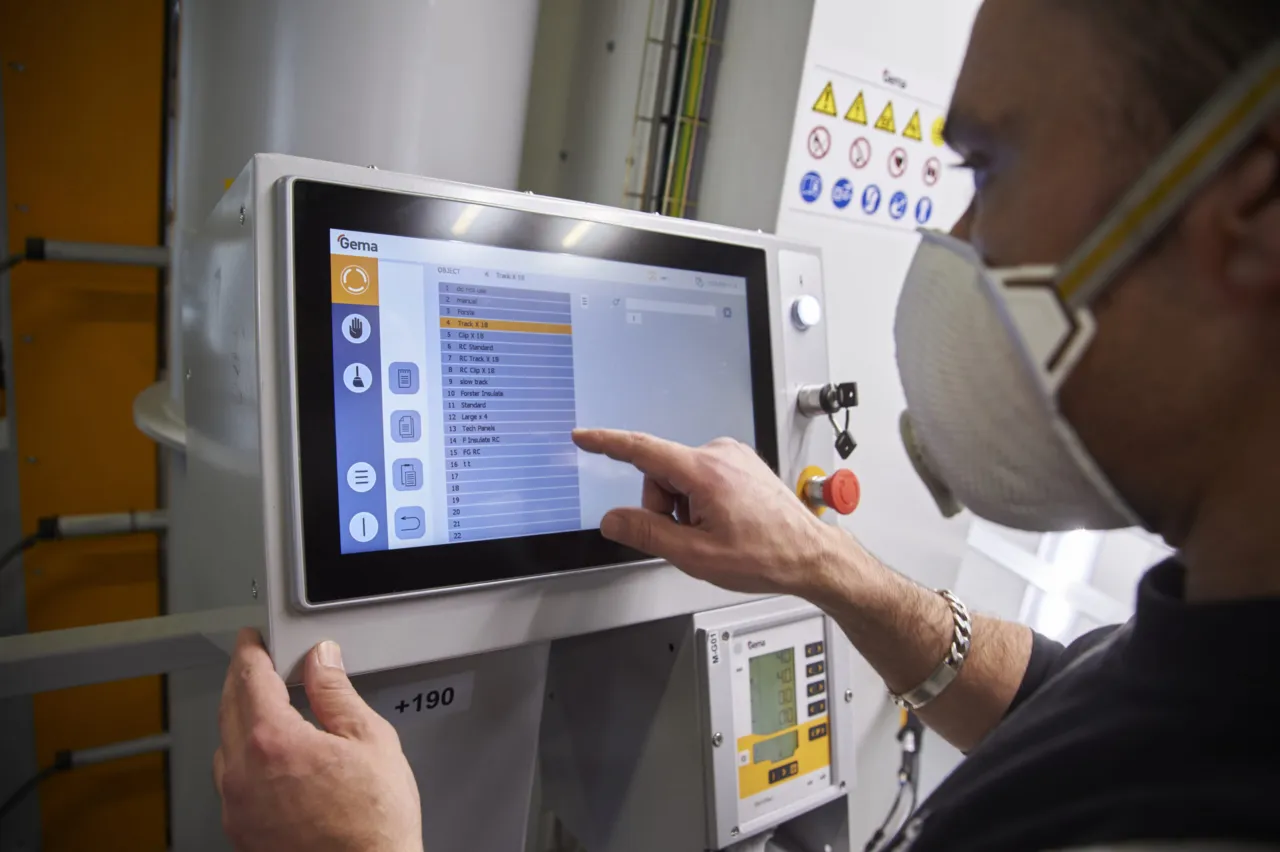
Energy and water sub-metering systems provide greater visibility of consumption across the manufacturing facility. This helps us understand where resources are being used, assess the effect of operational changes and identify areas where further reductions may be possible.
Manufacturing equipment and working patterns are also reviewed to reduce avoidable energy use, including consumption associated with equipment start-up, shutdown and periods of lower production.
Improving manufacturing efficiency
A series of upgrades has been introduced to reduce the energy required to operate the Radstock facility. These include improvements to manufacturing plant and insulation, a voltage optimisation system and a full LED lighting replacement programme.
The powder-coating line has also been upgraded with more efficient ovens and a heat-recovery system. Three air source heat pumps have been installed, while diesel forklift trucks have been replaced or converted to electric and HVO-fuelled alternatives.
Generating and sourcing electricity
The facility has 570 solar photovoltaic panels covering approximately 1,350 m², with an installed generating capacity of 285 kWp. The system provides around 20–25% of the site’s annual electricity requirements. Electricity not generated on site is sourced through REGO-certified renewable electricity arrangements.
Preventing manufacturing waste
Waste reduction begins with accurate design, material planning and production control. Component quantities and profile lengths are reviewed to reduce over-ordering and make efficient use of the material entering the manufacturing process.
Where aluminium offcuts cannot be avoided, they are segregated and returned for direct recycling. Separate waste streams are provided across the facility to support material recovery and reduce the volume sent for disposal.
Applying the waste hierarchy
Our manufacturing processes follow the waste hierarchy: preventing waste where possible, preparing materials for reuse, recycling suitable waste and using disposal only where other routes are not practicable.
Regular reviews and internal audits form part of the Environmental Management System, helping us assess whether controls are operating as intended and where processes can be improved.
Continuing to reduce our impact
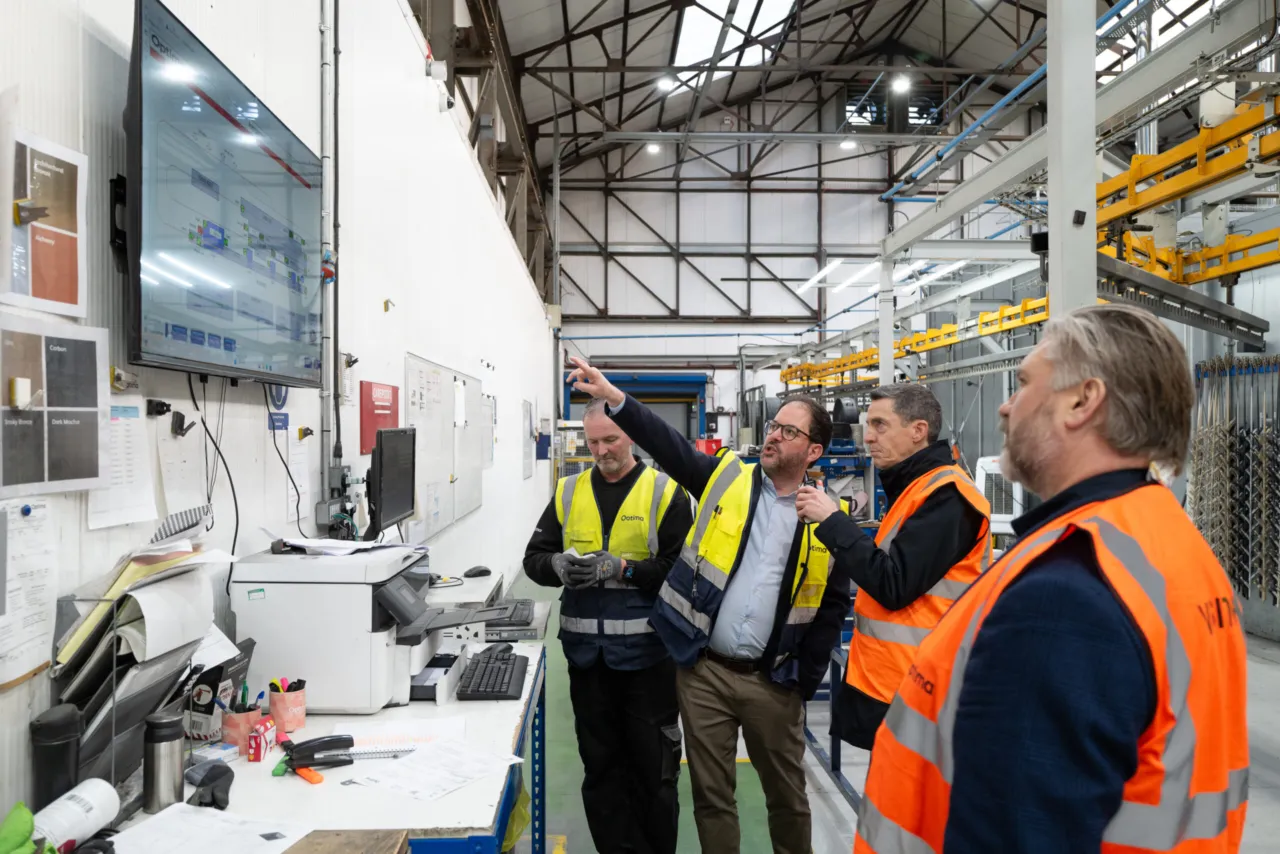
Reducing manufacturing impacts is an ongoing process rather than a single programme of upgrades. Sub-metering, environmental reporting and operational reviews allow us to monitor performance and build a clearer evidence base for future investment.
Planned and potential measures include further improvements to building fabric, more comprehensive energy and carbon reporting systems, and research into technologies that could reduce manufacturing temperatures and associated energy demand.
Sustainability at Optima
 Sustainability18 February 2026
How our Environmental and Sustainability team supports a project
Environmental requirements now influence every stage of a fit-out. Our Environmental and Sustainability team helps turn those requirements into practical project information, from specification and tendering through to site reporting and handover.
View insight Acoustics18 February 2026
Office Acoustics and the WELL Building Standard: Reducing Noise for Better Workspaces
Acoustics can have a significant influence on how a workplace feels and functions. This insight looks at the relationship between noise, well-being and the WELL Building Standard, and how design choices can help create more comfortable working environments.
View insight Sustainability18 February 2026
What Does Environmental Quality Mean in Construction?
Environmental quality looks beyond a single sustainability claim. It considers environmental impact, indoor conditions and the quality of evidence used to demonstrate performance throughout a product or project’s lifecycle.
View insight

Sign up to the Optima newsletter
Stay up to date with the latest Optima innovations, project news and insights from across the global workplace design community