What Does Environmental Quality Mean in Construction?
Environmental quality looks beyond a single sustainability claim. It considers environmental impact, indoor conditions and the quality of evidence used to demonstrate performance throughout a product or project’s lifecycle.
What Does Product Quality Look Like?
Product quality should be assessed beyond functional performance and cost. Environmental impact, durability and the efficient use of materials are also important considerations throughout a product’s lifecycle.
A high-quality product should be:
- designed for durability, resilience and longevity, reducing the frequency of replacement and supporting more efficient material use
- manufactured to project-specific requirements to minimise material waste
- installed correctly first time, reducing defects, remedial work and additional material use
- protected during storage, delivery and installation to reduce the risk of damage and replacement
Its manufacture and supply should also aim to:
- reduce the risk of pollution and other environmental incidents
- use responsibly sourced materials with a lower environmental impact, where suitable evidence is available
- minimise the use of potentially harmful chemicals
Why Reliable Environmental Data Matters
Quality also applies to the information used to assess environmental performance. Product and project decisions depend on accurate, relevant and verifiable data, particularly when demonstrating compliance with environmental standards or certification requirements.
Claims should therefore be supported by appropriate evidence and clearly explain what has been measured, assessed or certified. Reliable information allows project teams to compare options more effectively and understand how individual products contribute to wider project objectives.
Environmental Quality Within Buildings
Environmental quality can also describe the conditions within an occupied building. Indoor air quality, ventilation, acoustics and thermal comfort can all affect the health, comfort and wellbeing of occupants.
These factors must be considered collectively, as improving one aspect of a space may influence another. A coordinated design approach helps ensure that environmental objectives are considered alongside the building’s functional and performance requirements.
Measuring Environmental Quality
Quality can be subjective, so recognised assessment methods are needed to measure and evaluate environmental performance consistently.
Certification schemes such as BREEAM, LEED and SKA provide structured criteria for assessing the environmental performance of buildings and fit-out projects. WELL and Fitwel place greater emphasis on the health and wellbeing of building occupants.
Each scheme requires evidence to demonstrate that specific criteria have been met. The quality, relevance and accuracy of this evidence are therefore central to the assessment process.
The Role of Management Systems
A certified Quality Management System, such as ISO 9001, provides a framework for managing processes, maintaining standards and identifying opportunities for improvement.
When aligned with an Environmental Management System, it can help an organisation manage environmental risks, improve resource efficiency and maintain greater consistency across its operations. Together, these systems support a more structured and accountable approach to environmental performance within the built environment.
Recent insights
 Sustainability
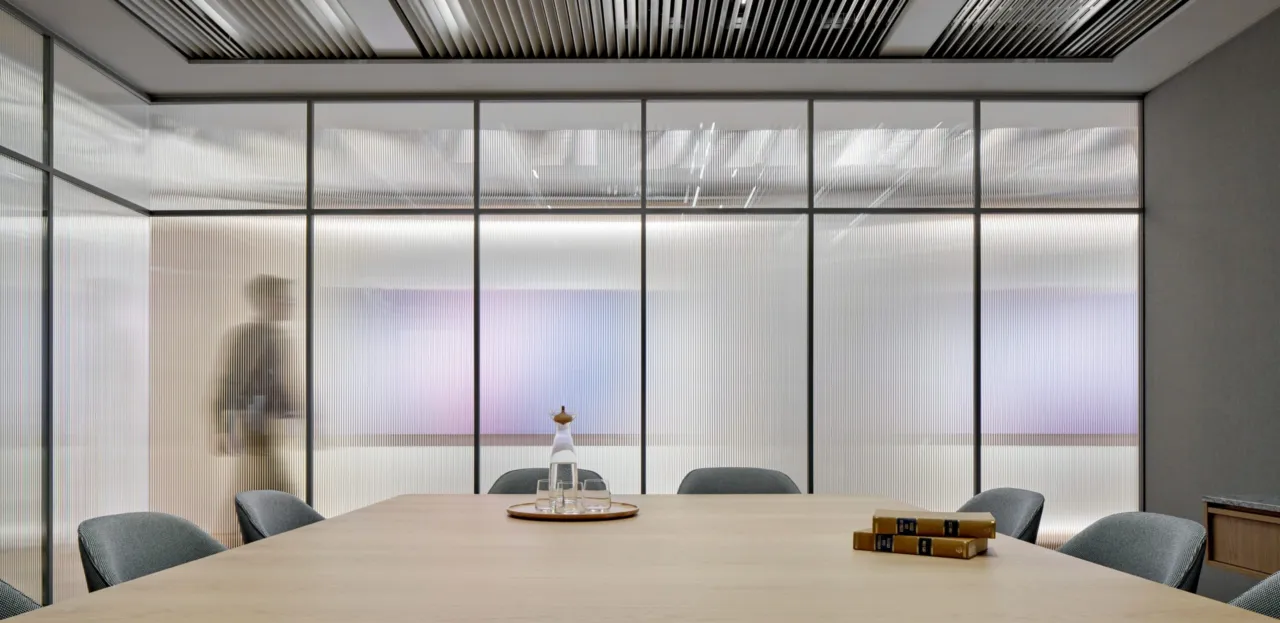
Optima contributes to industry debate and guidance on the reuse of glass partitioning
Optima is an active member of the Alliance for Sustainable Building Products (ASBP) and has contributed to the ASBP’s “The Reuse of Glass Partitioning Systems” guidance. We also took part in ASBP’s industry-wide webinar on the subject earlier this year.
View insight Trends
Is AI amplifying design thinking, or replacing it?
With AI impacting all aspects of work in the design community and construction industry, a question on everyone’s lips is what does this mean for me?
View insight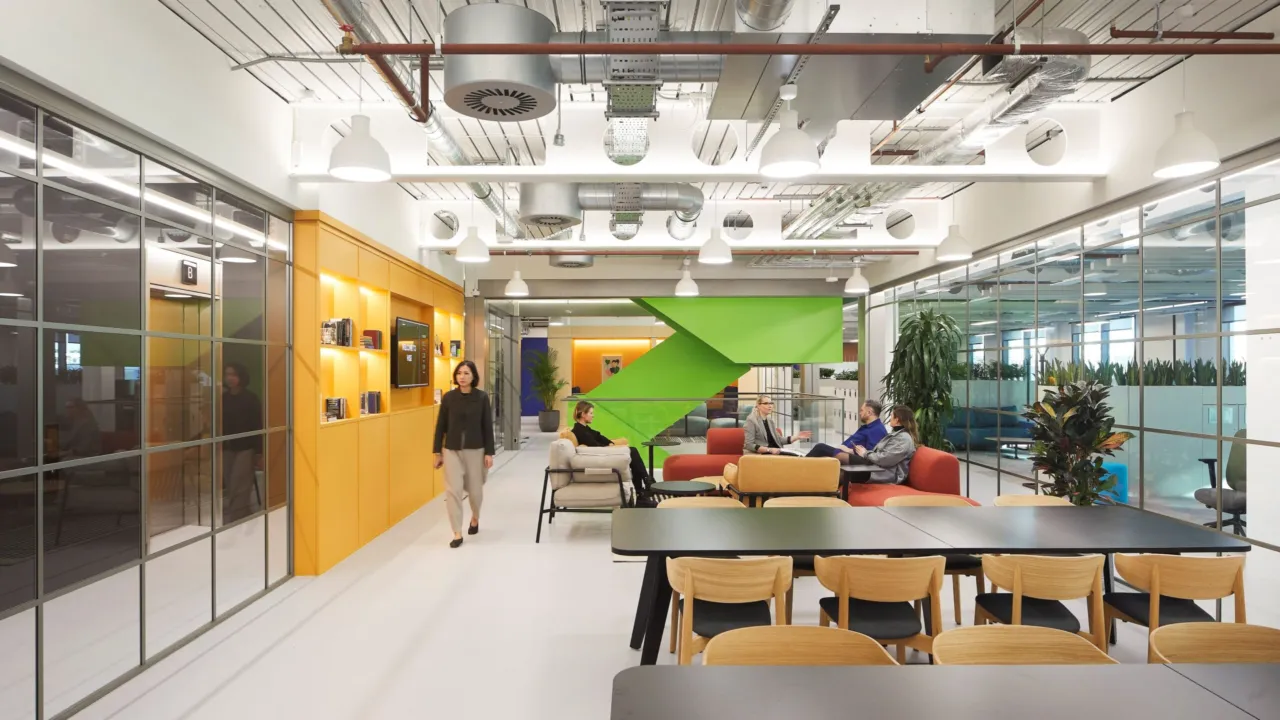 Sustainability
Circular Economy in Commercial Construction
Ever thought about the ripple effects your building projects might have on the environment? In the realm of modern construction, there’s an escalating movement towards adopting circular materials, which use sustainable practices deeply rooted in the circular economy.
View insight
Need help with your next project?
Talk to our team for practical advice on systems, performance and specification.
Enquire now
Sign up to the Optima newsletter
Stay up to date with the latest Optima innovations, project news and insights from across the global workplace design community