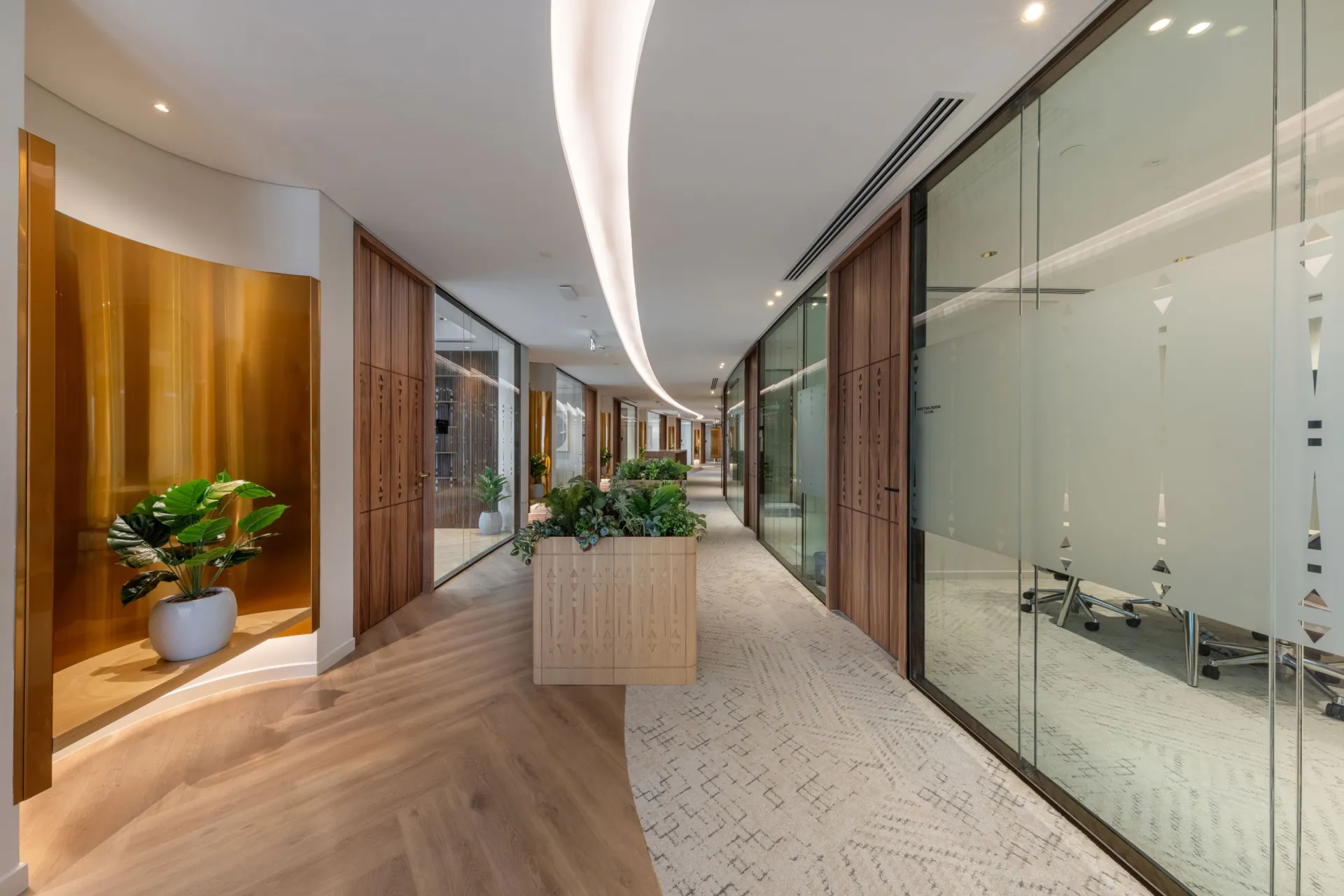
Double-glazedPartitionSystems
Optima double-glazed partitions combine tested acoustic performance with refined detailing and flexible system options for demanding interior applications.
Our double-glazed partition systems are designed to give architects and contractors greater control over acoustic performance, detailing and specification. With a choice of glazing configurations, compatible door systems and tested acoustic performance up to Rw53dB, Optima can support projects from early design and technical coordination through to manufacture and installation.
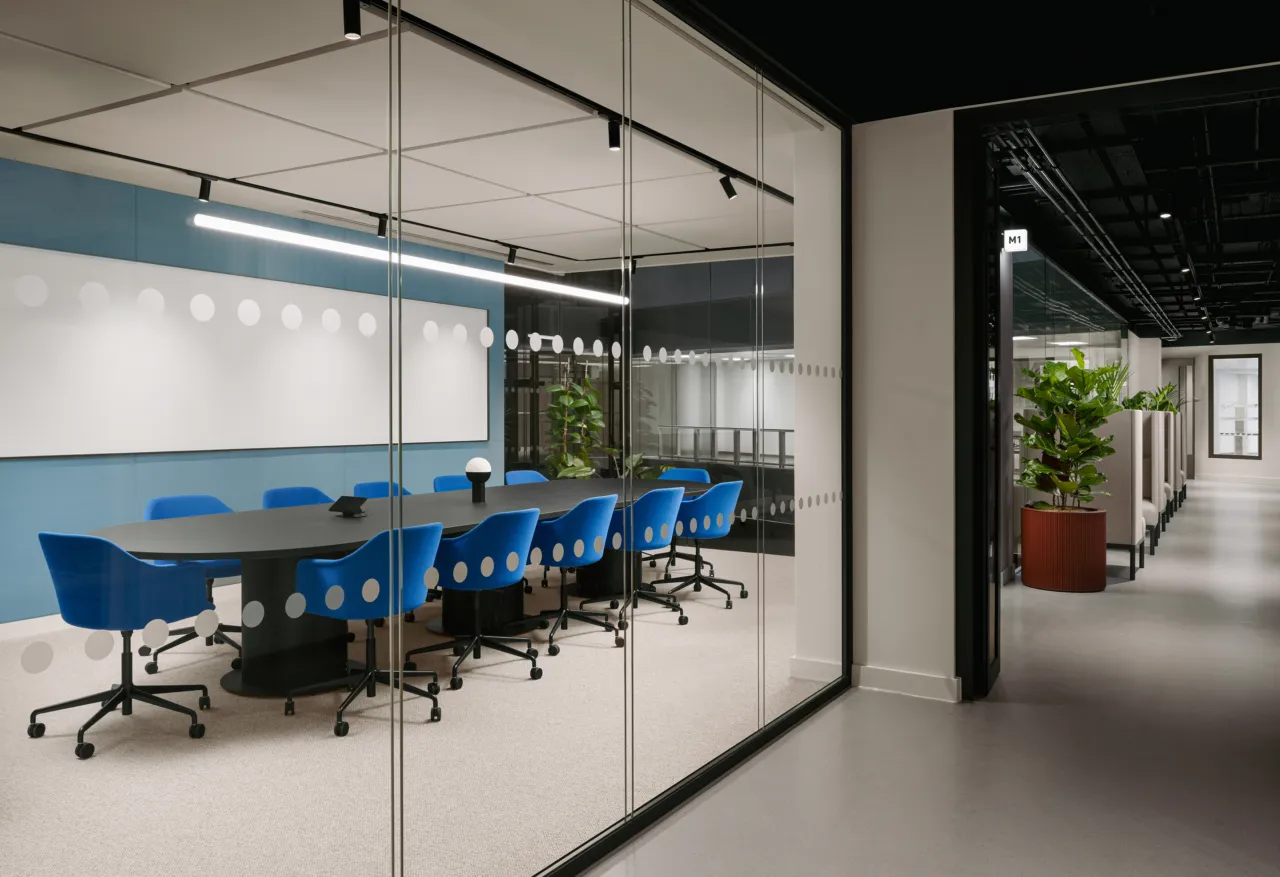
Revolution 54
A 54mm, single or double-glazed glass partitioning system, with acoustic performance up to Rw48dB.
- Glazing
- Single or double-glazed
- Frame
- Aluminium
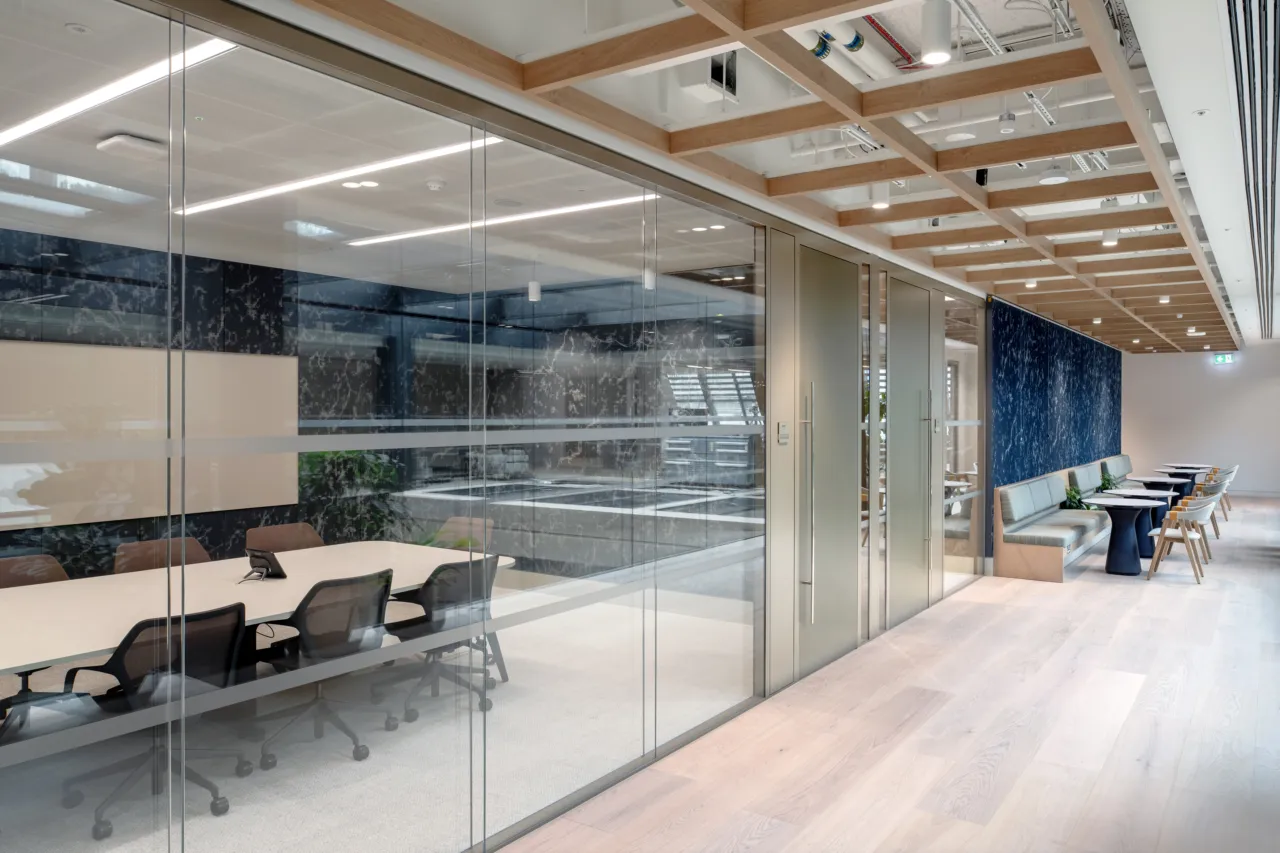
Revolution® 100
A 100mm glass partitioning system engineered for demanding acoustic privacy applications, with performance up to Rw53dB.
- Glazing
- Single or double-glazed
- Frame
- Aluminium
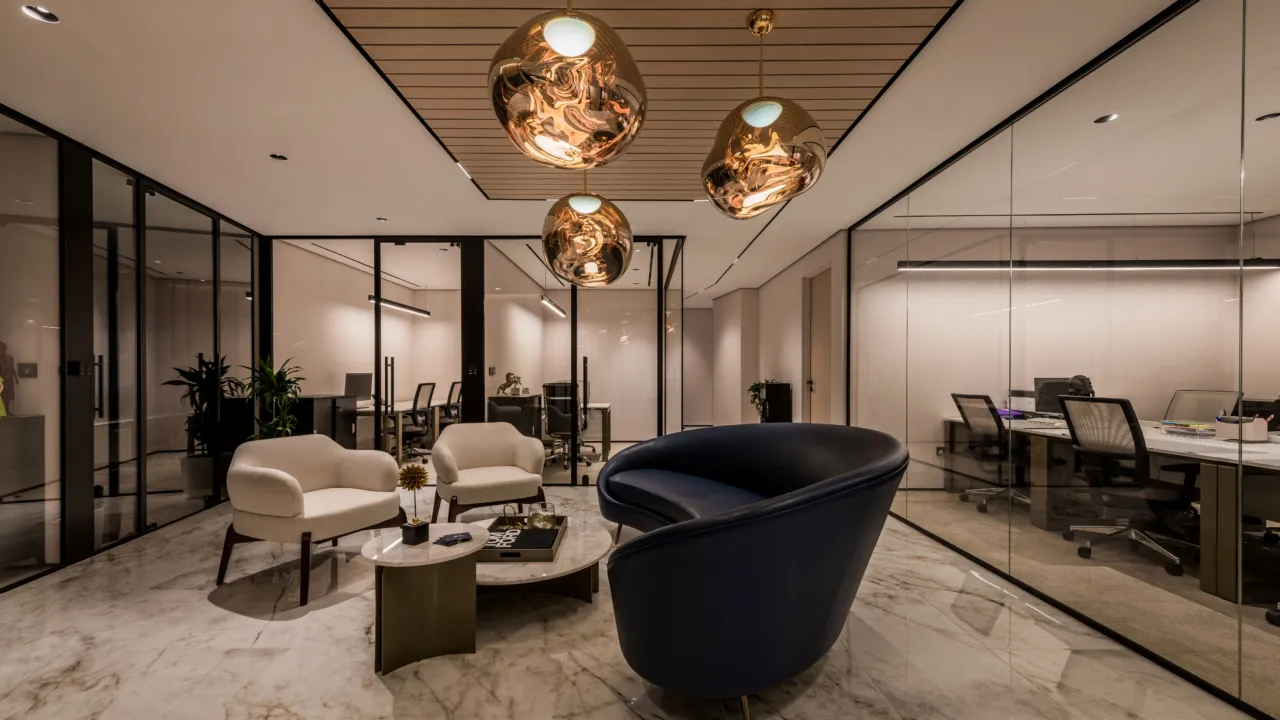
Optima 36
A slim single or double-glazed partitioning system with acoustic performance up to Rw43dB.
- Glazing
- Single or double-glazed
- Frame
- Aluminium

FAQ's
Double-glazed partitions provide greater acoustic separation than comparable single-glazed systems while still allowing natural light to move through the space. They are often specified for meeting rooms, offices and other areas where sound reduction is a higher priority.
Acoustic performance depends on the system, glass specification and overall configuration. Optima's tested and assessed double-glazed partition systems can achieve ratings of up to Rw53dB, making them suitable for spaces with more demanding acoustic requirements.
Double-glazed partitions are typically chosen where greater sound reduction is required. Single-glazing may be sufficient where openness and daylight are the main priorities, while double-glazing provides an additional layer of acoustic performance.
Double-glazed partitions use two panes of glass within the partition system to divide interior spaces while maintaining natural light and visibility. The additional pane, along with the air gap between the glass, can improve acoustic performance compared with single-glazing, depending on the system, glass specification and overall configuration.